Product catalogue

Products & seasons

Compare export seasons and onion sizes. Explore our potato varieties and imported seed potato packs.

Export season calendar

In season

CropSeasonJanFebMarAprMayJunJulAugSepOctNovDec
Navel orangesDecember–MarchIn seasonIn seasonIn seasonOut of seasonOut of seasonOut of seasonOut of seasonOut of seasonOut of seasonOut of seasonOut of seasonIn season
Valencia orangesMarch–MayOut of seasonOut of seasonIn seasonIn seasonIn seasonOut of seasonOut of seasonOut of seasonOut of seasonOut of seasonOut of seasonOut of season
Adalia lemonsMarch–MayOut of seasonOut of seasonIn seasonIn seasonIn seasonOut of seasonOut of seasonOut of seasonOut of seasonOut of seasonOut of seasonOut of season
Golden onions1 January–31 MayIn seasonIn seasonIn seasonIn seasonIn seasonOut of seasonOut of seasonOut of seasonOut of seasonOut of seasonOut of seasonOut of season
Red onions1 May–31 DecemberOut of seasonOut of seasonOut of seasonOut of seasonIn seasonIn seasonIn seasonIn seasonIn seasonIn seasonIn seasonIn season

Exports

Citrus

Our orange season begins with Navel in December. Valencia oranges and Adalia lemons follow in March.

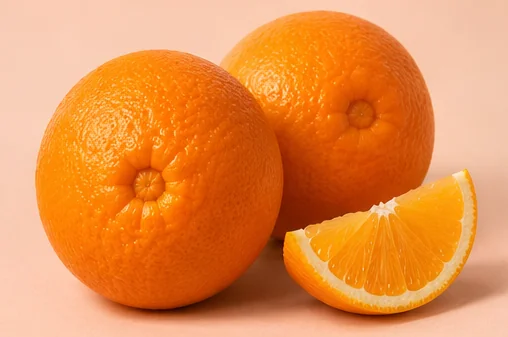
Navel oranges

Sweet, juicy and usually seedless, Navel oranges are easy to recognise. A small second fruit forms inside the blossom end and leaves the dimple that gives the variety its name.

Season
December–March

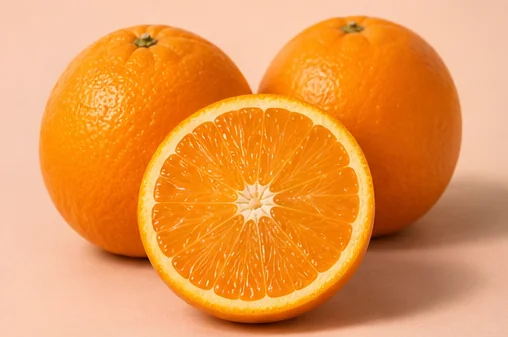
Valencia oranges

A thin peel and plenty of sweet juice make Valencia a good choice for pressing. The fruit is medium to large, with few seeds. The variety was grown commercially in Florida in the nineteenth century.

Season
March–May

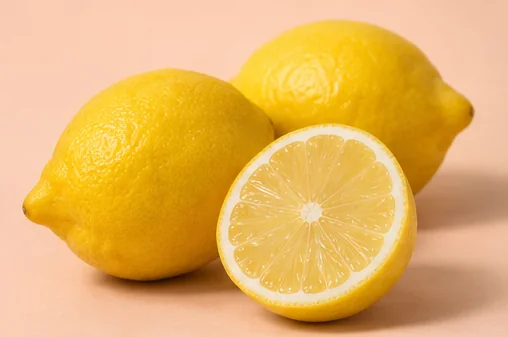
Adalia lemons

From its Asian origins, the lemon spread around the Mediterranean. Records from medieval Egypt describe lemon juice as a popular drink.

Season
March–May

Exports

Onions

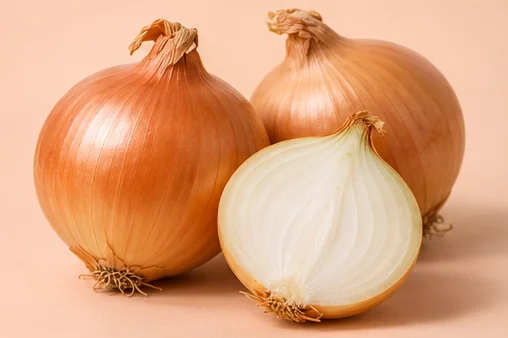
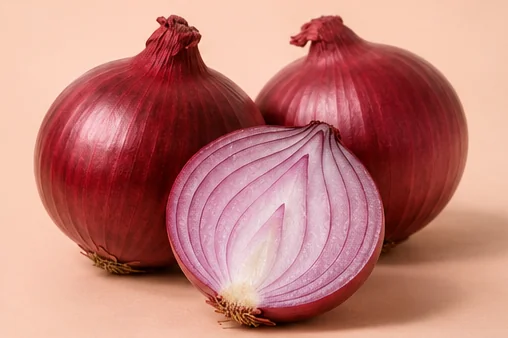
We prepare golden and red onions for export, with a combined production capacity of about 250 metric tonnes per day.

Golden onions

Season
1 January–31 May
Bulb diameter
  • 40 mm
  • 60 mm
  • 80 mm
  • 100 mm

Red onions

Season
1 May–31 December
Bulb diameter
  • 40 mm
  • 60 mm
  • 80 mm
  • 100 mm

Exports

potatoes

We grow five potato varieties on our farms and prepare them for export at our packing station.

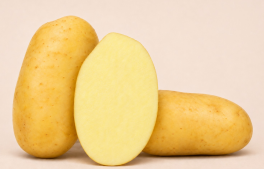
Spunta

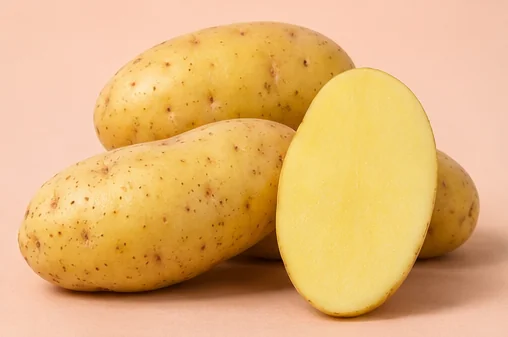
Large, long-oval tubers with smooth yellow skin and light yellow flesh.

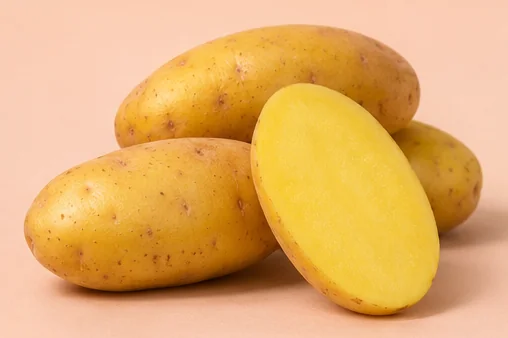
Nicola

Nicola has yellow flesh that stays firm when cooked. Its tubers are long and oval.

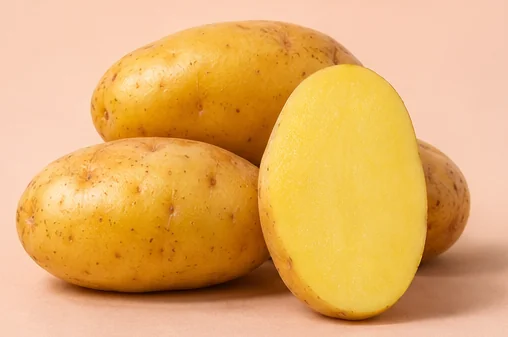
Safrane

An early variety with large, evenly shaped tubers, shallow eyes and pale yellow flesh.

Mondial

A late variety with long-oval tubers. Both the skin and the flesh are light yellow.

Alaska

Oblong, yellow-skinned tubers with white flesh and shallow eyes.

Imports

Seed potatoes for Egypt

We import Spunta, Cara, Hermes and Lady Rosetta seed potatoes for growers in Egypt. Our planting stock comes from Scotland and the Netherlands.

Two whole Spunta potatoes and a cut tuber showing its light yellow flesh.Table / fresh market

Spunta

Large, long-oval tubers with very high yield potential. Tubers form early, and the crop tolerates heat and drought well.

Maturity
Mid-early
Tuber shape
Long oval
Skin
Smooth, yellow
Flesh
Light yellow
Variety origin
Netherlands

SpuntaTechnical details

Parentage
Bea × USDA 96-56. Listed in 1968.
Growth & yield
Fast foliage growth gives good ground cover. Plants typically produce 6–11 shallow-eyed tubers. Match seed spacing to the expected tuber count, as tubers can grow very large.
Soil
Widely grown in warm, dry regions and suited to a range of soils. Good structure in heavy soils helps prevent misshapen tubers.
Kitchen use
Cooking type B, fairly firm, with 19–21% dry matter. Suited to boiling, mashing and home frying. Unsuitable for industrial fries and crisps.
Disease & pests
Susceptible to foliage and tuber late blight, powdery scab, and cyst nematodes Ro1 and Pa2/Pa3. Moderate ratings for early blight and common scab. Resistant to spraing (TRV) and wart disease (pathotype 1), with low sensitivity to PVY and PVY-NTN.
Harvest & storage
Harvest after full skin set and keep drops short to limit damage. Sensitivity to internal bruising is low. Cure well to reduce Fusarium dry rot. Dormancy is medium to long. Suitable for long-term storage. Pre-sprouting advances growth.
Growing notes
Sensitive to secondary growth and magnesium deficiency. Include trace elements in the fertiliser plan.
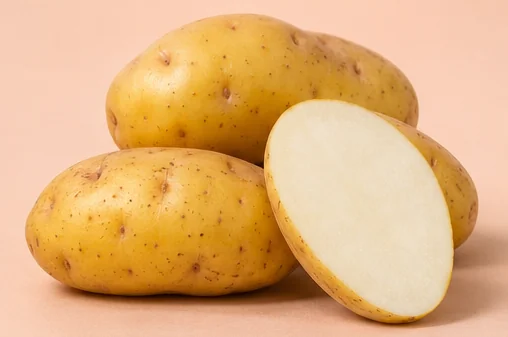
Two whole Cara potatoes with pink eyes and a cut half showing the cream flesh.Table / fresh market

Cara

Cara produces very high yields of large, evenly sized tubers. It tolerates drought very well and maintains its yield in hot weather.

Maturity
Late maincrop
Tuber shape
Oval-round
Skin
White with pink eyes
Flesh
White to cream
Variety origin
Scotland - Netherlands

CaraTechnical details

Parentage
Ulster Glade × A25/19. A maincrop variety grown for export.
Growth & yield
Tall, vigorous plants form a dense canopy. A long growing season produces very high yields. Each plant sets a moderate to high number of shallow-eyed tubers of very uniform size.
Soil & climate
Adapts to a range of conditions and performs well on light, sandy soils. Drought tolerance is very good, and plants maintain growth and yield in the heat.
Kitchen use
The mild, floury flesh has medium dry matter. Suited to boiling, mashing, baking, roasting and home frying.
Disease & pests
Resistant to late blight in foliage and tubers, common scab, potato virus Y (PVY) and cyst nematode Ro1. Resistance to spraing (TRV) is moderate. Susceptible to powdery scab and cyst nematodes Pa2/Pa3. Avoid fields with a history of powdery scab.
Harvest & storage
Allow a full season for the crop to mature and the skin to set. Tubers resist bruising and growth cracking. Handle gently and cure well after harvest because they are susceptible to Fusarium dry rot and gangrene. Long dormancy and good keeping quality suit long-term storage.
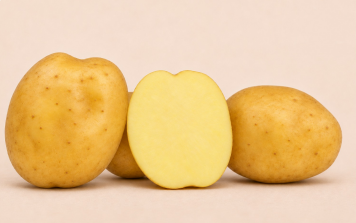
Whole Hermes potatoes with pale yellow skin and a cut tuber showing its light yellow flesh.Processing / crisps

Hermes

Hermes produces large, evenly sized tubers with about 23.2% dry matter. They make excellent crisps with good fry colour, fresh from harvest or after storage.

Maturity
Mid-early
Tuber shape
Round oval
Skin
Pale yellow
Flesh
Light yellow
Variety origin
Scotland - Netherlands

HermesTechnical details

Parentage
DDR 5158 × SW 163/55. Introduced in 1973.
Growth & yield
After moderate emergence, plants develop tall, strong foliage. Each plant sets 8–11 large, uniform tubers with fairly shallow eyes. Yield is very high and continues to build in a longer season.
Climate & planting
Hermes tolerates heat well and drought very well. It is widely grown around the Mediterranean and in the Middle East. Pre-sprout the seed, let it warm up after cold storage and plant in soil above 10 °C.
Processing quality
About 23.2% dry matter, 17% starch and an underwater weight of about 430. Excellent for crisps and also suitable for French fries. Cooking type B–BC, slightly firm to slightly mealy, with no discolouration after cooking.
Disease & pests
Resistant to tuber late blight, common and powdery scab, spraing (TRV), potato virus Y (PVY), leafroll (PLRV) and wart disease (pathotype 1). Resistance to foliage late blight and virus YN is moderate. Sensitivity to Fusarium dry rot is low. Susceptible to cyst nematodes Ro1 and Pa2/3.
Growing notes
Low sensitivity to metribuzin and secondary growth. Base nitrogen on soil analysis, with two-thirds applied before planting and one-third as a top dressing. Maintain adequate potassium, follow a foliage blight programme and avoid fields infested with cyst nematodes.
Harvest & storage
Tubers bruise easily inside. Keep drops short and avoid cold conditions during handling. Dry the crop promptly after harvest, cure well, then lower the temperature slowly to 7–8 °C. Prevent condensation. Long dormancy suits storage.
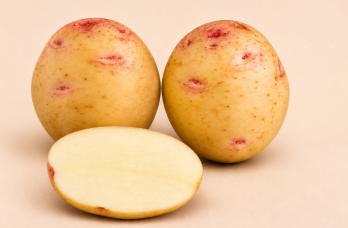
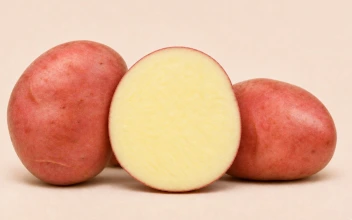
Two round, red-skinned Lady Rosetta potatoes beside a cut half showing its pale yellow flesh.Processing / crisps

Lady Rosetta

Lady Rosetta produces uniform, round tubers for crisps. They reach 24–25% dry matter early and have low reducing sugars, so they can be processed straight from harvest.

Maturity
Mid-early
Tuber shape
Round
Skin
Red, slightly rough
Flesh
Cream to light yellow
Variety origin
Scotland - Netherlands

Lady RosettaTechnical details

Parentage
Cardinal × SVP (VTn)² 62-33-3. Introduced in 1988.
Growth & yield
Foliage develops quickly and covers the ground well. Yield is very high. Plants set a moderate to high number of medium to large tubers with shallow to medium eyes. Their uniform size and shape leave few tubers outside the desired grade.
Soil & climate
Suited to all soil types, provided heavier soils have good structure. Lady Rosetta tolerates heat and drought well, responds well to irrigation and is widely grown in the Mediterranean and the Middle East.
Processing quality
Dry matter reaches about 24–25% early in the season, while reducing sugars stay low. Tubers give good crisp colour at harvest and after short to medium-term storage. The floury flesh (cooking type C) also suits purée, mash and potato flakes.
Disease & pests
Susceptible to foliage late blight and cyst nematodes Pa2/Pa3. Resistance to tuber late blight and common scab is moderate. Resistant to powdery scab, spraing (TRV), wart disease (pathotype 1) and cyst nematode Ro1. Sensitivity to PVY and tuber necrosis (PVY-NTN) is low. Begin foliage blight protection early.
Planting & harvest
Dormancy is medium to long. Allow the seed eyes to start sprouting before planting. Tubers are sensitive to internal bruising, so harvest after the skin has set and keep drop heights low.
Storage
Ventilate to dry the crop after harvest. Tubers have good resistance to Fusarium dry rot. Keep processing lots at processing temperatures because cold storage can cause sugars to build up.

Teba International for Import and Export

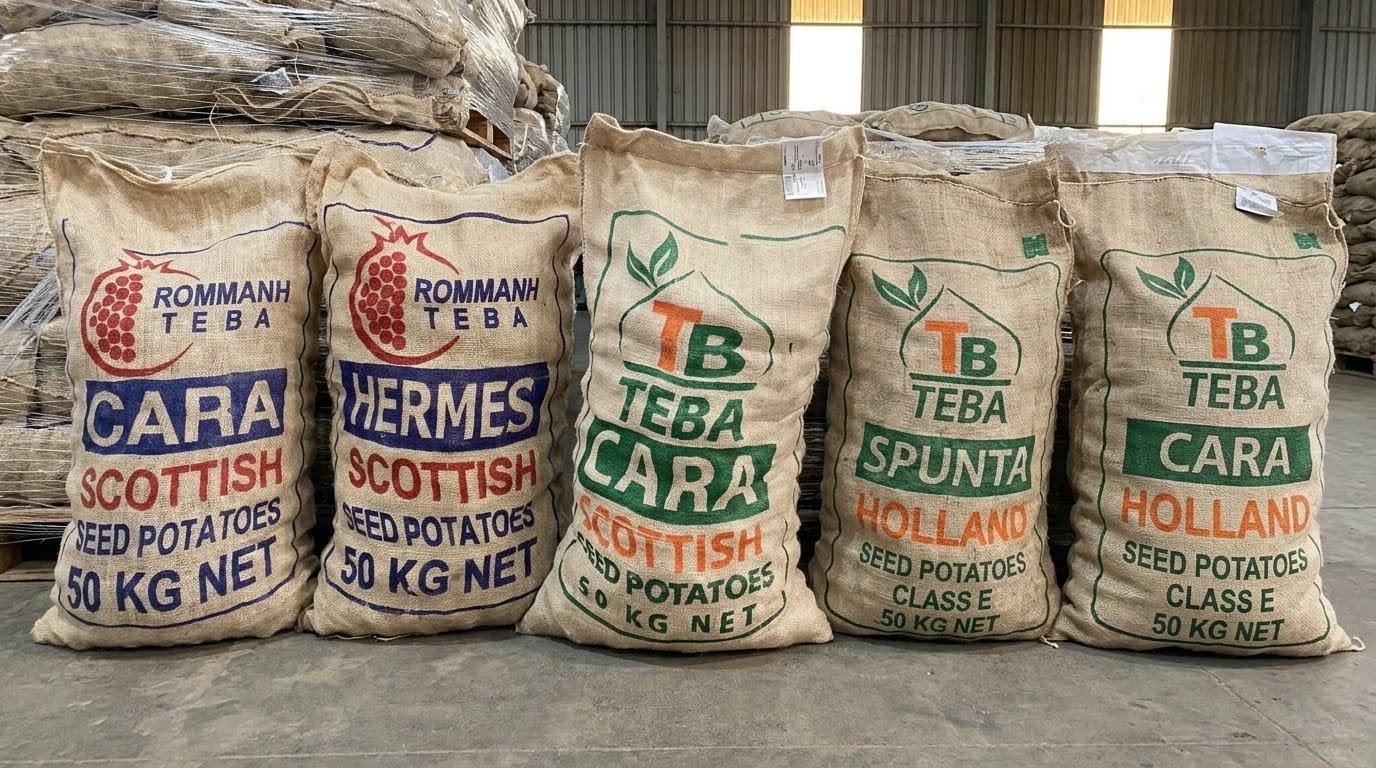
Seed potato sacks

ROMMANH TEBA
Scottish Cara and Hermes
TEBA
Scottish Cara, plus Dutch Spunta and Cara
Five jute seed potato sacks in a warehouse, two with red and blue ROMMANH TEBA labels and three with green and orange TEBA labels.